 Genoa
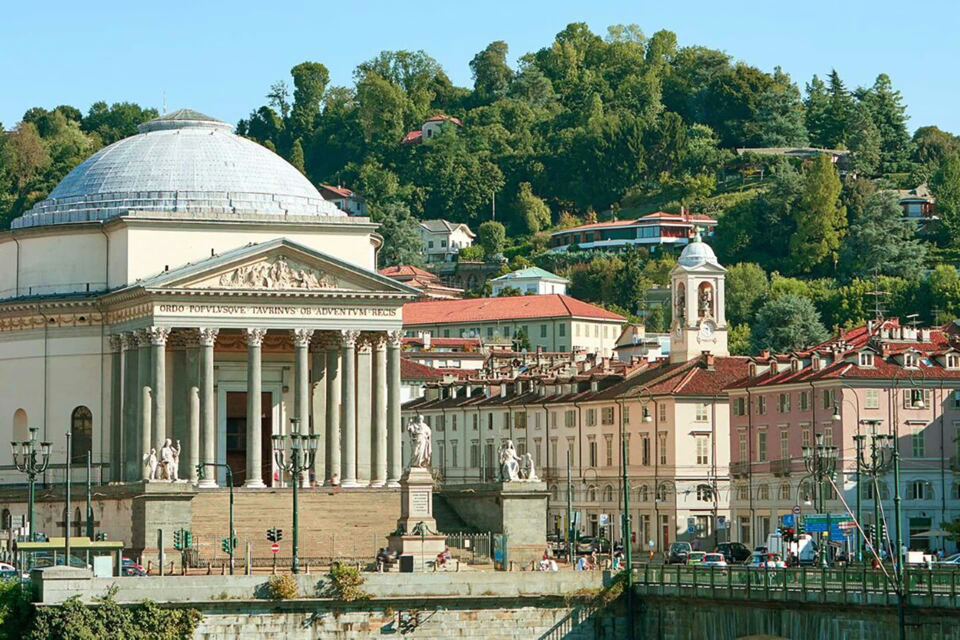
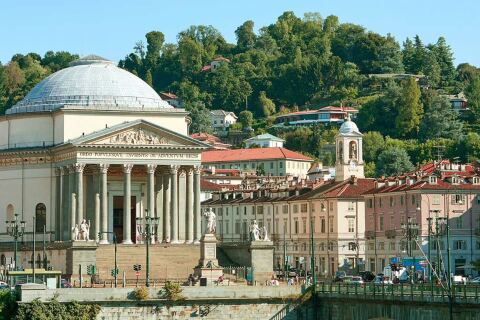
Gran Madre di Dio Church restoration




- Owner:
- Progetto CMR International
- Works start:
- 06/06/2025
Description
The restoration work on the façade of the Gran Madre Di Dio Church in Turin, which began in 2025, aims to restore the building to its original splendour, using advanced techniques and sustainable materials, with a design by Dontstop Architettura.
Schedule
The schedule for the restoration of the façade of the Gran Madre Di Dio Church envisages the start of work in summer 2025, technical analysis by January 2026 and completion of the restoration by the end of 2026.
- in progress
1 Ideation
La fase di ideazione del restauro della Chiesa Gran Madre Di Dio ha coinvolto la definizione degli obiettivi di recupero del patrimonio storico, con l’uso di tecnologie innovative e materiali sostenibili per preservare l'edificio.
2 Design
Durante la fase di progettazione, sono stati definiti i dettagli tecnici del restauro, inclusi l'analisi delle superfici con video-endoscopia e termografia, e la scelta di materiali a basso impatto ambientale per garantire la conservazione.
3 Execution of the work
Nella fase di esecuzione lavori, sono stati avviati i restauri della facciata, con il trattamento delle superfici lapidee, il recupero dei gruppi scultorei e l’applicazione di tecniche avanzate per garantire la durata nel tempo.
4 End of work
Description coming soon
 Gallery
History
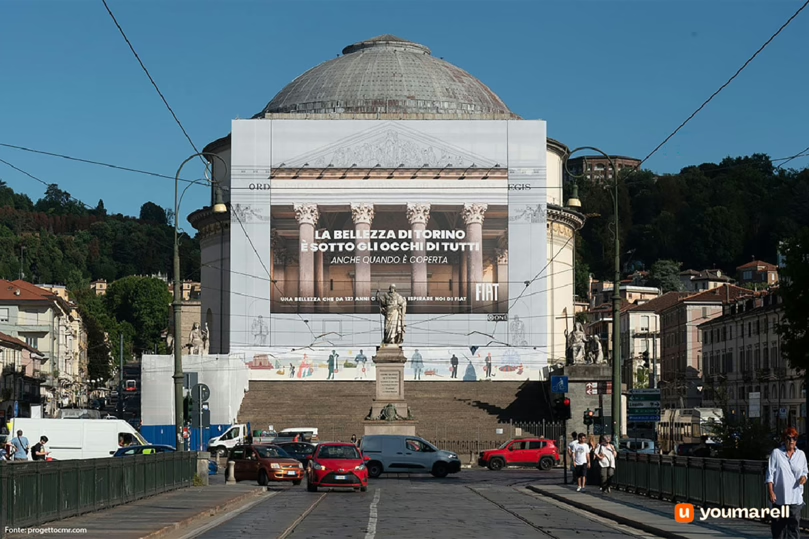
The restoration of the main façade of the Church of the Gran Madre di Dio in Turin combines innovation, sustainability and respect for the historical heritage of the Piedmontese capital in a single project, designed by Dontstop Architettura.
The project, entirely sponsored by ONE s.r.l. and launched in the summer of 2025, aims to restore the building to its original splendour, whilst respecting the historical and architectural identity of the property, ensuring the church can continue to be used at no cost to the local council.
The works will employ cutting-edge techniques selected according to criteria of compatibility, reversibility and protection of the original surfaces, including the use of experimental materials with low chemical impact, and the implementation of technologies such as video endoscopy and thermography for a detailed analysis of the surfaces.
The restoration, estimated to take 12 months, will cover a total of 1,072 square metres of stone surfaces, including the marble sculptures, 183 square metres of plasterwork and 318 square metres of stucco. Targeted interventions are also planned for the stone paving at the entrance, the main door and the wooden vestibule, the eaves and downpipes of the porch, and the roof.
The sculptural groups at the base of the staircase will undergo specialist restoration work involving the use of nanocalce, an innovative mineral-based product developed by the University of L’Aquila, which is capable of penetrating deep into the micro-pores of the marble and consolidating the structure in a way that allows it to breathe.
107 views
Other worksites
Genoa