
2026-05-25 • Youmarell
BlogWhen thinking about plastic, the construction sector might not be the first to come to mind. However, plastic has revolutionized the building industry, changing the way structures are designed and materials are used. With advancements in technology and sustainable practices, plastic has established itself as an innovative material offering durability, flexibility, and cost‑effectiveness. A major example of plastic use is modular construction, which relies on prefabricated components assembled on‑site, saving both time and resources.
Plastic, thanks to its light weight and moldability, is ideal for creating prefabricated modules. PVC paneling for modular home walls is inexpensive, water‑ and fire‑resistant, and allows for fast assembly without compromising quality. Another critical area in construction is waterproofing, where plastic is essential. Polyethylene membranes are used to waterproof foundations, preventing water infiltration damage. In addition, high‑visibility plastic barriers are employed to mark hazardous areas, while fire‑retardant coatings enhance on‑site safety.
Plastic also stands out for its strength‑to‑weight ratio. Unlike materials such as steel and concrete, which are strong but heavy, plastic offers comparable durability at a significantly reduced weight. For instance, high‑density polyethylene (HDPE) pipes are essential for water and gas distribution, simplifying transport and installation while reducing costs. Reinforced plastic composites are also replacing metals in bridge construction and cladding, as they resist corrosion and weathering. For insulation and energy efficiency, plastic has transformed construction techniques.
Materials such as expanded polystyrene (EPS) and polyurethane foam are widely used to insulate walls, roofs, and floors, improving thermal performance and reducing energy consumption. The use of these plastic materials helps maintain consistent indoor temperatures while lowering environmental impact. Plastic also contributes to sustainable construction. Products like plastic lumber (made from recycled plastic) are an eco‑friendly alternative to traditional wood. Moreover, bioplastics derived from renewable sources, such as cornstarch, are gaining popularity.
The use of recycled plastic promotes a circular economy by encouraging material reuse. Another advantage of plastic is its role in Building Information Modeling (BIM), which allows visualization and management of materials during the construction process, reducing waste. Finally, plastic offers unique design flexibility. Plastic components can be molded into any shape, giving architects greater creative freedom. Its light weight and ease of installation reduce construction time and the need for heavy equipment, optimizing project management and costs.
In conclusion, plastic has become a key resource in modern construction, improving energy efficiency, simplifying building processes, and offering eco‑friendly solutions for a more sustainable future.
2026-05-25 • Youmarell
Blog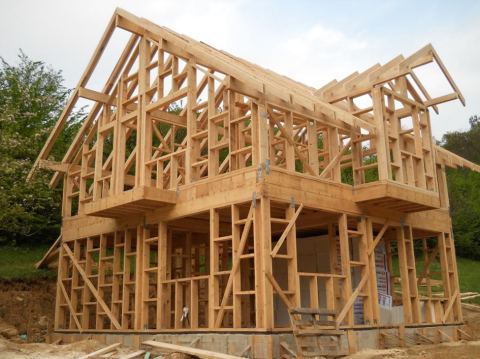
2026-07-23 • Youmarell
Article
2026-07-23 • Youmarell
Article
2026-05-25 • Youmarell
News