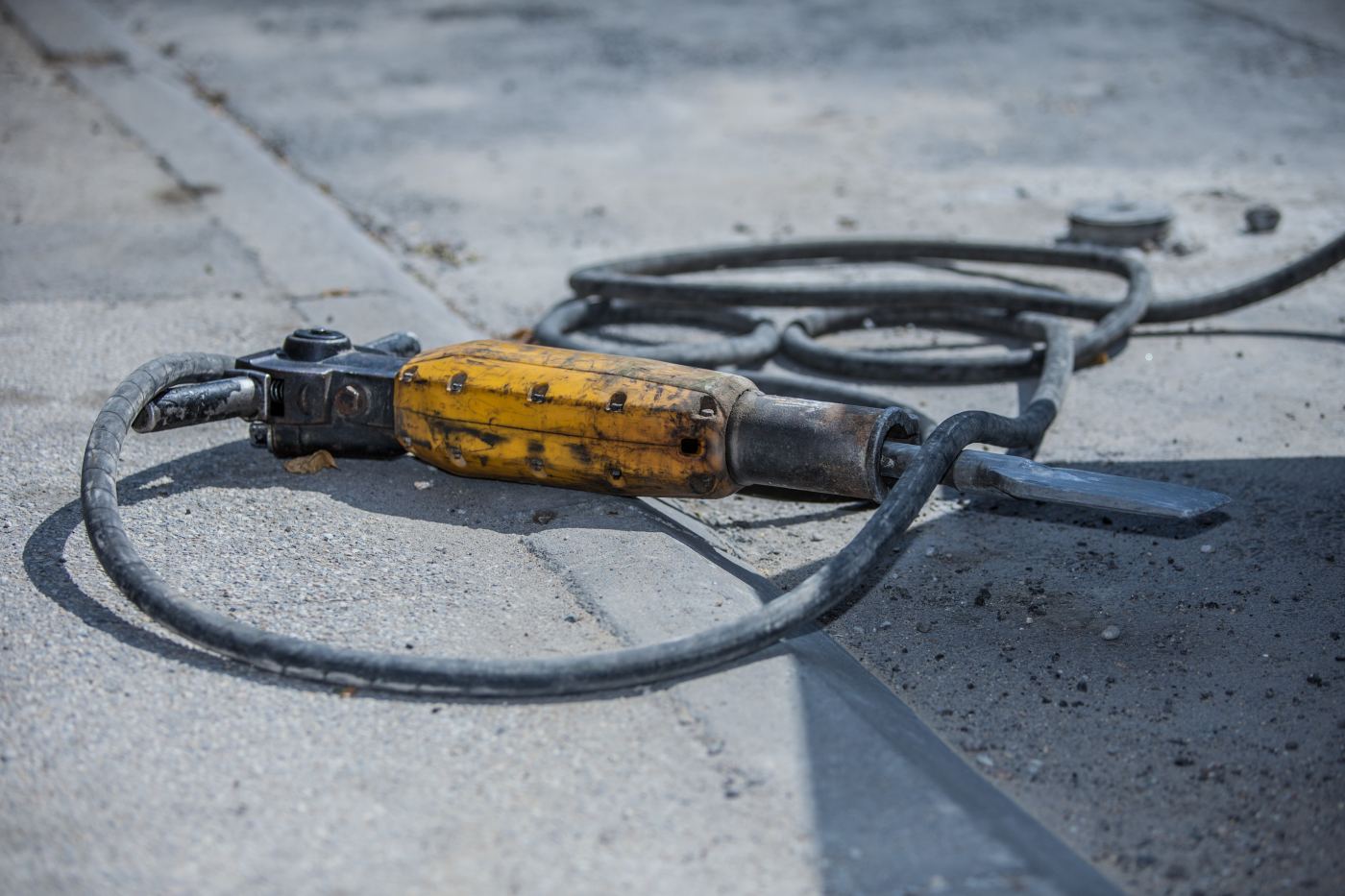
Concrete Vibrator
A concrete vibrator is an electromechanical or pneumatic tool designed to induce temporary fluidization of fresh concrete. By emitting high-frequency shock waves, the instrument reduces internal friction between aggregates and promotes the expulsion of macro-voids trapped during the pouring phase. This process, technically defined as compaction or consolidation, is essential to ensure the bond between concrete and reinforcement bars (rebar) and to guarantee that the theoretical design density...
A concrete vibrator is an electromechanical or pneumatic tool designed to induce temporary fluidization of fresh concrete. By emitting high-frequency shock waves, the instrument reduces internal friction between aggregates and promotes the expulsion of macro-voids trapped during the pouring phase. This process, technically defined as compaction or consolidation, is essential to ensure the bond between concrete and reinforcement bars (rebar) and to guarantee that the theoretical design density is achieved.
Origin and History
The need to compact concrete dates back to the first applications of modern cement in the 19th century, when consolidation was performed manually through "tamping." Mechanical vibration was introduced around the 1930s, revolutionizing execution speed and allowing the use of mixtures with a low water-to-cement ratio, which would otherwise be impossible to place. With the evolution of components, the industry transitioned from heavy internal combustion engines to high-frequency electric units, which are significantly more maneuverable and efficient.
Types
The choice of vibration system depends on the geometry of the pour and the consistency of the mix:
- Immersion Vibrators (Poker/Needle): Consisting of a cylindrical vibrating body (the "head" or "bottle") connected to a power unit. The needle is inserted vertically into the pour to act directly on the core of the material.
- Formwork Vibrators (External): Attached directly to the formwork walls, transmitting vibration through the support structure. They are essential in precasting and for thin walls with high reinforcement density.
- Surface Vibrators (Vibrating Screeds): Used for the compaction of slabs, plates, and industrial floors. They act through surface compression, ensuring superior flatness and bringing "cement slurry" to the surface for finishing.
- Vibrating Tables: Employed exclusively in precasting plants for the consolidation of complex, mass-produced components.
Symbolism
- The vibrator symbolizes cohesion and structural purity. It represents the technological intervention that eliminates the "defect" (air) to make room for the solidity of the matter.
- On the construction site, it is the emblem of executive care: its action transforms a heterogeneous mass into a perfect monolith, symbolizing the search for structural perfection hidden within the cementitious forms.
Interesting Facts
- Correct vibration requires millimetric precision: excessive exposure (over-vibration) can cause segregation of the aggregates, where heavy stones sink to the bottom and the liquid paste rises to the top, weakening the structure.
- A technical curiosity concerns the "radius of influence": an experienced operator recognizes the end of the process when the surface around the needle becomes shiny and air bubbles stop surfacing.
- Furthermore, in Self-Compacting Concrete (SCC) pours, the use of vibrators is unnecessary or even discouraged, as the mix is designed to consolidate solely through the force of gravity.