Controlled Mechanical Ventilation
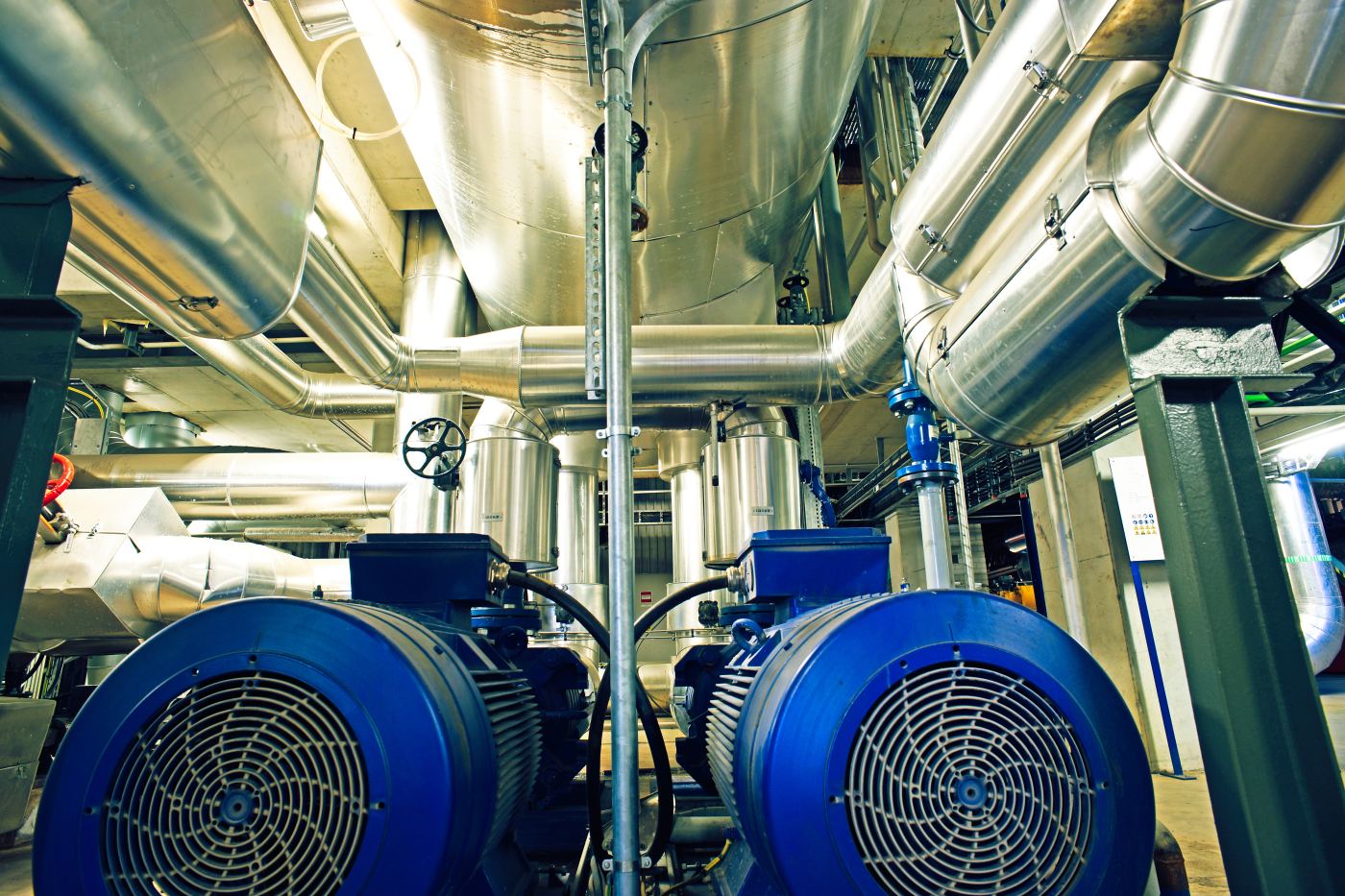
Controlled Mechanical Ventilation (CMV) is an integrated building services system designed for the forced air exchange management within confined environments. Unlike natural ventilation, CMV allows for the governance of intake and exhaust airflow rates, ensuring the maintenance of high Indoor Air Quality (IAQ) standards. In an era dominated by high airtightness building envelopes (nZEB - nearly Zero Energy Buildings), these systems are indispensable for preventing "Sick Building Syndrome" an...
Controlled Mechanical Ventilation (CMV) is an integrated building services system designed for the forced air exchange management within confined environments. Unlike natural ventilation, CMV allows for the governance of intake and exhaust airflow rates, ensuring the maintenance of high Indoor Air Quality (IAQ) standards. In an era dominated by high airtightness building envelopes (nZEB - nearly Zero Energy Buildings), these systems are indispensable for preventing "Sick Building Syndrome" and managing the hygrometric balance of structures.
Origin and History
The need for forced ventilation originated in the 19th-century mining and naval industries, but its application in the civil sector exploded following the energy crises of the 1970s. Increased building insulation made envelopes "hermetic," eliminating natural air infiltration through window frames. This led to the birth of localized mechanical extraction systems, which evolved in the 1990s into centralized systems with cross-flow heat recovery units. Today, CMV is integrated into active home automation systems for precise management based on CO2 and VOC (Volatile Organic Compounds) sensors.
Types
Ventilation systems are differentiated by fluid-dynamic configuration and energy recovery:
- Single-Flow CMV: Usually operates under negative pressure, extracting stale air from "wet" rooms (bathrooms/kitchens). Fresh replacement air enters passively through humidity-controlled valves located on frames or walls.
- Dual-Flow CMV with Heat Recovery (MVHR): Represents the state of the art. Two independent duct networks manage supply and extract air. At the heart of the system, a heat exchanger (static or enthalpic) allows for the recovery of up to 90% of the thermal energy from the exhaust air, transferring it to the incoming cold air.
- Decentralized Systems (Single-Room): Wall-mounted units that do not require ducting. They often function with a "push-pull" system (alternating cycles of intake and extraction) and are ideal for retrofitting existing buildings.
Symbolism
-
Mechanical ventilation symbolizes the building’s "technological lung."
-
It represents the ability to reconcile two seemingly opposing needs: the hermetic sealing of the envelope for energy savings and the necessity of "breathing" for human health.
-
It is the emblem of purity and environmental control, where technology acts silently to constantly regenerate the vital resource of air.
Interesting Facts
-
A critical aspect during the construction phase is the cleaning and maintenance of ducts. If not properly maintained, filters and channels can become reservoirs for pathogens.
-
A technical curiosity concerns the Free Cooling function: during summer nights, the system can bypass the heat exchanger to intake cool outdoor air directly, cooling the building at zero cost.
-
Furthermore, sizing must account for "sound pressure": diffusers must be selected to ensure air velocities below 0.15 m/s to avoid whistling noises and drafts bothersome to occupants.