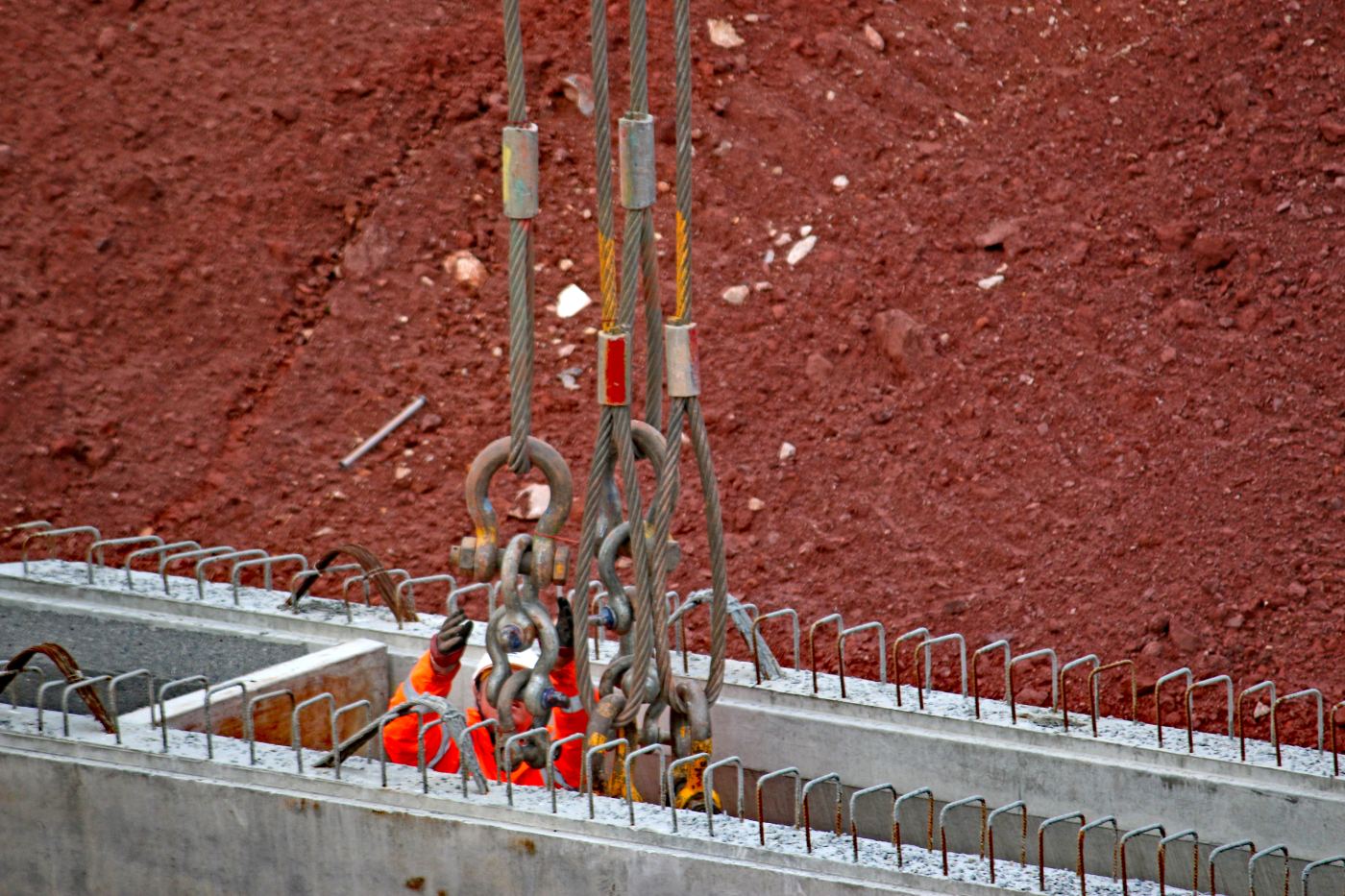
Anchoring Systems
Anchoring systems are devices designed to securely fix structural elements or ensure personal safety during work at height. In construction, they are essential for guaranteeing stability, load resistance, and operational safety on site.
Origin and History
The need to anchor construction elements dates back to early stone architecture, when metal pins and interlocking systems were used to stabilize blocks and columns. In Ancient Egypt and the Roman Empire, fixing techniques with metal clamps and durable mortars became widespread. With the introduction of structural steel and reinforced concrete between the 19th and 20th centuries, anchoring systems evolved into today’s certified mechanical and chemical anchors compliant with European standards.
Types
The main types of anchoring systems include:
- Mechanical: expansion anchors, bolts, and threaded rods that rely on pressure against the base material.
- Chemical: resin-based anchors ensuring high strength and adaptability to various substrates.
- Structural: used in reinforced concrete for load-bearing connections.
- Fall protection systems: anchor points and lifelines for work at height.
- Temporary: used for scaffolding and provisional structures.
Symbolism
- Anchoring systems symbolize solidity, stability, and protection.
- They represent a secure connection and a reliable foundation between different structural elements.
Interesting Facts
- Chemical anchors can achieve very high resistance even in hollow or solid materials.
- Safety anchor points must pass extremely demanding dynamic load tests.
- Some modern systems are designed to remain almost invisible within architectural structures.