Drawbridge
The movable bridge (or draw bridge) is a complex infrastructural work defined by "variable geometry," designed to resolve transit conflicts between orthogonal traffic flows (typically road/rail and nautical). Unlike fixed structures, a movable bridge integrates heavy machinery systems, hydraulic or electromechanical drives, and automation software to modify the deck configuration. This solution is technically preferable to high-level fixed bridges when urban constraints or maximum allowable gradients do not permit the construction of extensive approach ramps.
Origin and History
The archetype of the movable bridge dates back to medieval fortifications with the chain-drawn drawbridge, originally conceived for defensive purposes. However, its evolution into civil infrastructure occurred during the Industrial Revolution, driven by the need to connect docklands without interrupting merchant shipping. The introduction of rotating counterweights (Bascule systems) and large-diameter slewing bearings in the 19th century allowed for spanning significant distances. Today, modern engineering employs high-strength steel alloys and real-time structural monitoring systems to manage high dynamic loads and frequent opening cycles.
Types
The classification of movable bridges depends on the degree of freedom of the deck's movement:
- Bascule Bridge: Operates on the principle of a counterweighted lever (often concealed in an underground chamber or "bascule pit"). It is the most common type due to its energy-efficient movement.
- Swing Bridge: The deck rotates around a vertical axis on a central or lateral pier. While mechanically robust, it requires a wide horizontal clearance radius.
- Vertical-Lift Bridge: The entire deck is raised while remaining horizontal, sliding along lateral guide towers via winches and counterweights. It is ideal for railways as it maintains precise track alignment.
- Retractable Bridge: The deck slides longitudinally on tracks until the navigable channel is cleared. This is a low-visual-impact solution suitable for narrow canals.
Symbolism
- The movable bridge represents a dynamic compromise and technological synergy. It symbolizes engineering's ability to adapt to the changing needs of a territory rather than imposing a static barrier.
- It is an emblem of global interconnection: a junction point that can become "empty" to allow maritime commerce to pass and "solid" to ensure the continuity of land transport.
Interesting Facts
-
The design of a movable bridge requires complex calculations regarding inertial forces and wind resistance during operational phases.
-
Technical Note**:** A key aspect of balancing is ensuring the center of gravity of a bascule bridge is nearly coincident with the axis of rotation, thereby minimizing the torque required from the motors.
-
Furthermore, maintenance is critical: main trunnions and slewing rings require forced lubrication systems to prevent premature wear under loads of thousands of tons. Iconic examples like London’s Tower Bridge demonstrate the longevity of these machines when subject to rigorous predictive maintenance plans.
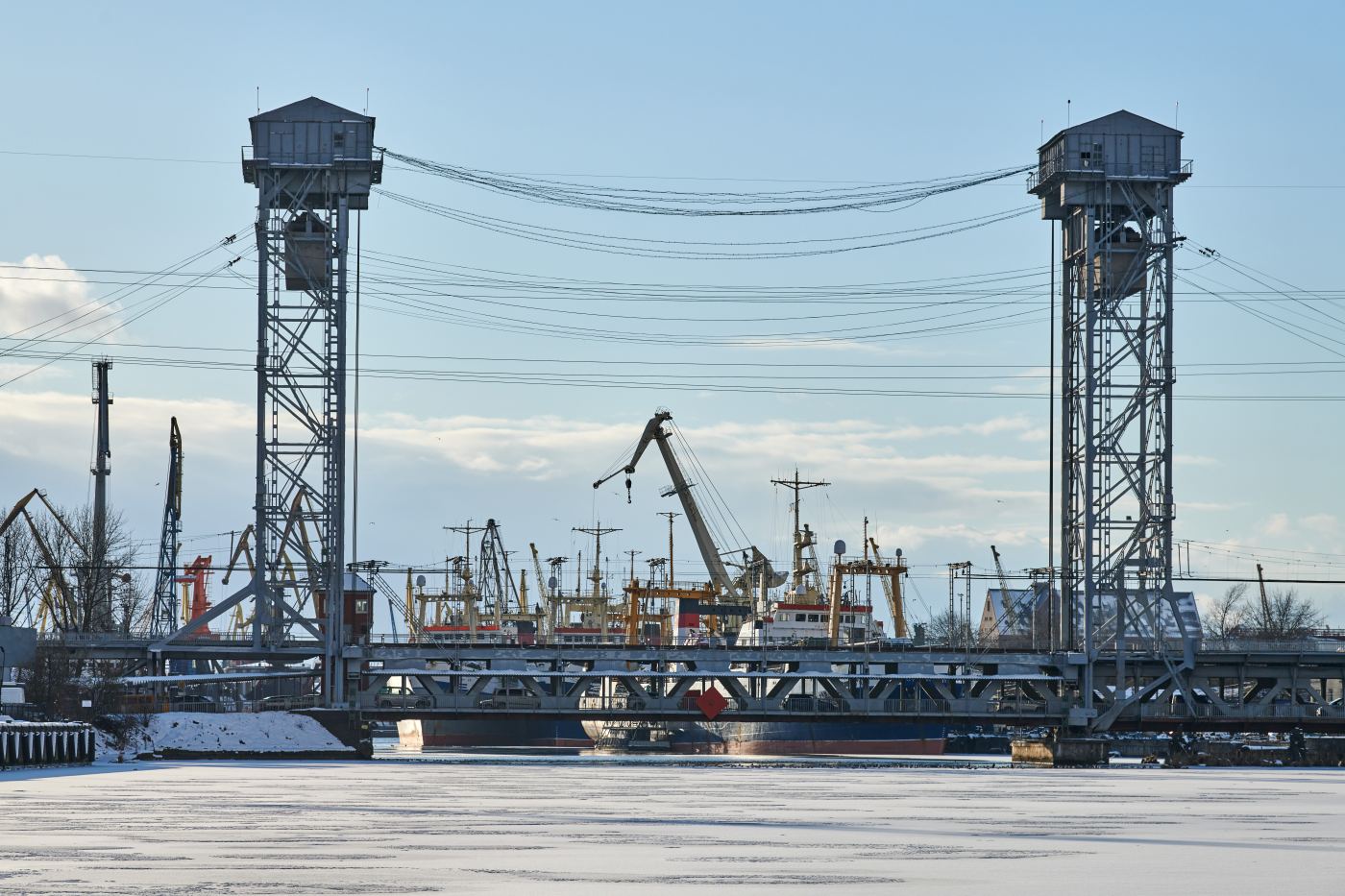
- Origin
- Middle Ages (defensive)/ 19th century (industrial infrastructure)
- Category
- Critical infrastructure with variable geometry
- Function
- Management of intermodal traffic flows (land/sea)
- Presence on Construction Sites
- Port environments, navigable canals, and coastal logistical hubs