Scaffolding
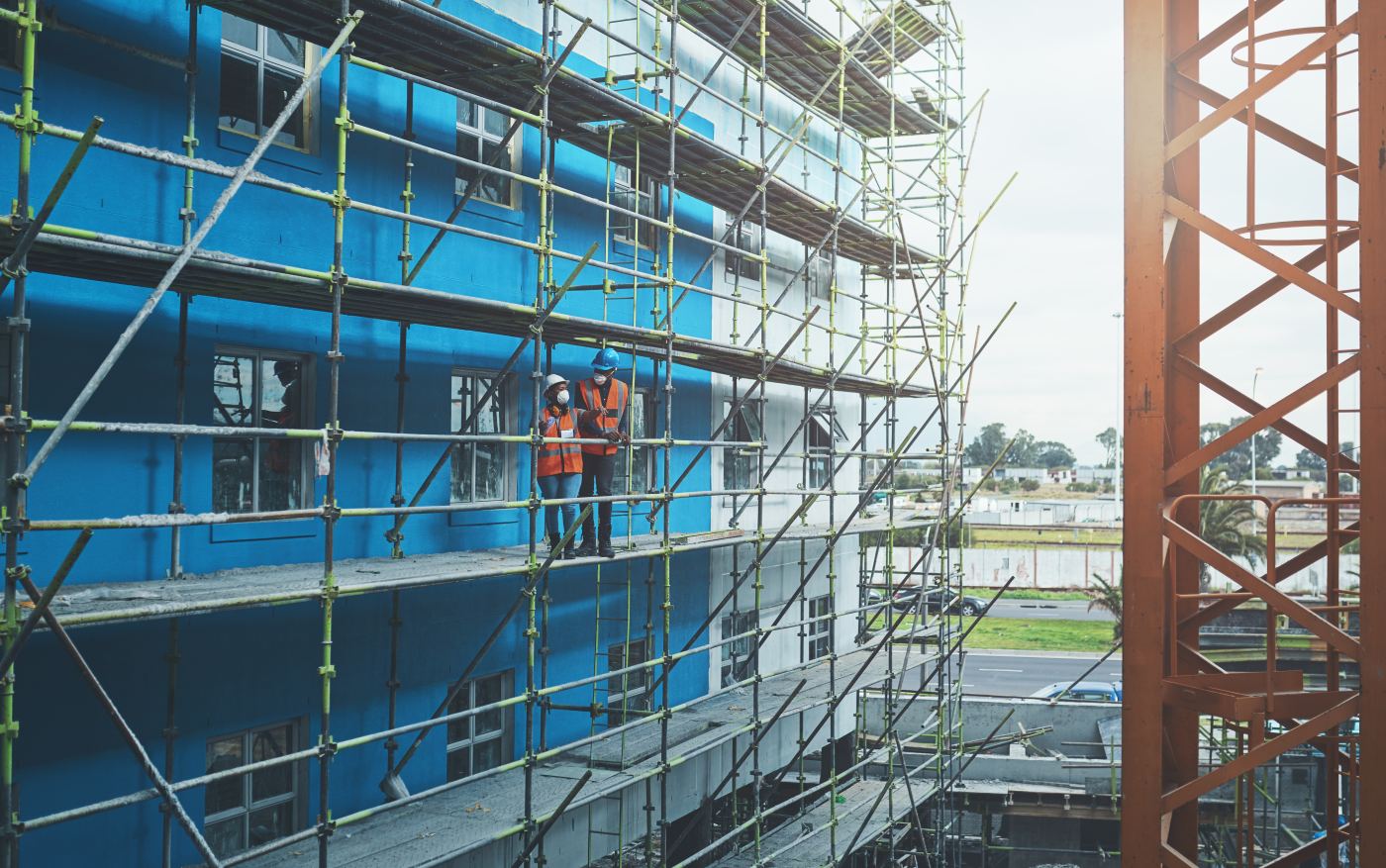
Scaffolding is a complex temporary construction work, defined as a temporary reticular structure intended to support human loads (operators) and instrumental loads (materials and equipment) during construction, maintenance, or restoration phases. In site engineering, scaffolding is not merely a means of access but a structural system that must ensure static and dynamic stability, complying with current work-at-height safety regulations.
Origin and History
The use of temporary support systems dates back to Ancient Egyptian and Roman times, where wooden scaffolding lashed with hemp ropes was used to erect temples and aqueducts. The transition to modern metal scaffolding occurred in the early 20th century, thanks to the introduction of steel tube-and-coupler systems, which replaced unstable wooden structures. Post-war regulatory evolution then standardized components, introducing prefabricated frame systems that drastically increased assembly speed and structural safety across construction sites of all scales.
Types
The choice of scaffolding type depends on the building's morphology and the expected service loads:
- Prefabricated Frame Scaffolding: The most common system for linear facades. It consists of standardized metal portals (frames) connected by ledgers and diagonals. It offers rapid assembly but less geometric flexibility.
- Tube and Coupler Scaffolding: Represents the pinnacle of versatility. It allows for following complex and irregular architectural forms, as every connection between tubes is made via couplers (right-angle, swivel, or sleeve). It requires highly specialized labor.
- Multidirectional Scaffolding: An evolved system combining the speed of prefabrication with the flexibility of tube-and-coupler, thanks to "rosette" connection nodes that allow multiple attachments at various angles.
- Mobile Towers (Rolling Scaffolding): Structures on wheels for localized, short-duration interventions. They must be equipped with locking systems and outriggers/stabilizers.
- Suspended Scaffolding: Used for interventions on high-rise buildings where ground-based starts are not feasible; they are suspended via ropes and motorized winches.
Symbolism
- Scaffolding symbolizes the "construction in progress" and protection. It represents the metamorphosis of the building and the craftsmanship rising upwards.
- It is the emblem of technical accessibility: a rational grid enveloping the work, making the impossible possible.
- Metaphorically, it embodies the support necessary to achieve complex goals, ensuring that the ascent always occurs under the aegis of safety.
Interesting Facts
- Any scaffolding exceeding 20 meters in height, or one that does not conform to the manufacturer's standard diagrams, strictly requires a structural design by a qualified engineer.
- A technical curiosity regards anchorage: the structure's stability depends not just on its base but on the anchors' ability to transfer horizontal forces (such as wind) to the building's structure.
- Furthermore, every installation must be accompanied by a Method Statement (or Pi.M.U.S. in some jurisdictions), a fundamental operational document guiding workers through assembly, use, and dismantling.
- Origin
- Antiquity (timber and ropes) / 20th Century (standardized steel)
- Category
- Temporary access and work platforms
- Function
- Support for high-altitude work, collective protection, and material logistics
- Presence on Construction Sites
- Renovations, restorations, and new above-ground constructions