Flooring
Flooring refers to the permanent covering of a floor structure through the installation and finishing of specialized materials. It is a multi-layered system designed to create durable, resistant, and aesthetically pleasing surfaces. This process is critical for the overall functionality, safety, and longevity of walkover surfaces in residential, commercial, and industrial environments, involving the interaction between the structural subfloor, the screed, and the final finish.
Origin and History
Flooring is one of the oldest construction techniques, with evidence dating back millennia. Ancient civilizations, such as the Egyptians and Romans, utilized stone slabs and bricks to pave roads and monumental buildings. Over centuries, the development of new materials—including timber, hydraulic cements, and high-performance tiles—has significantly enhanced both the functional properties and the decorative potential of paved surfaces.
Types
- Ceramic and Porcelain Tiling: Widely used in wet areas like kitchens and bathrooms. Porcelain stoneware is particularly valued for its vitrified body, which ensures near-zero porosity and extreme frost resistance.
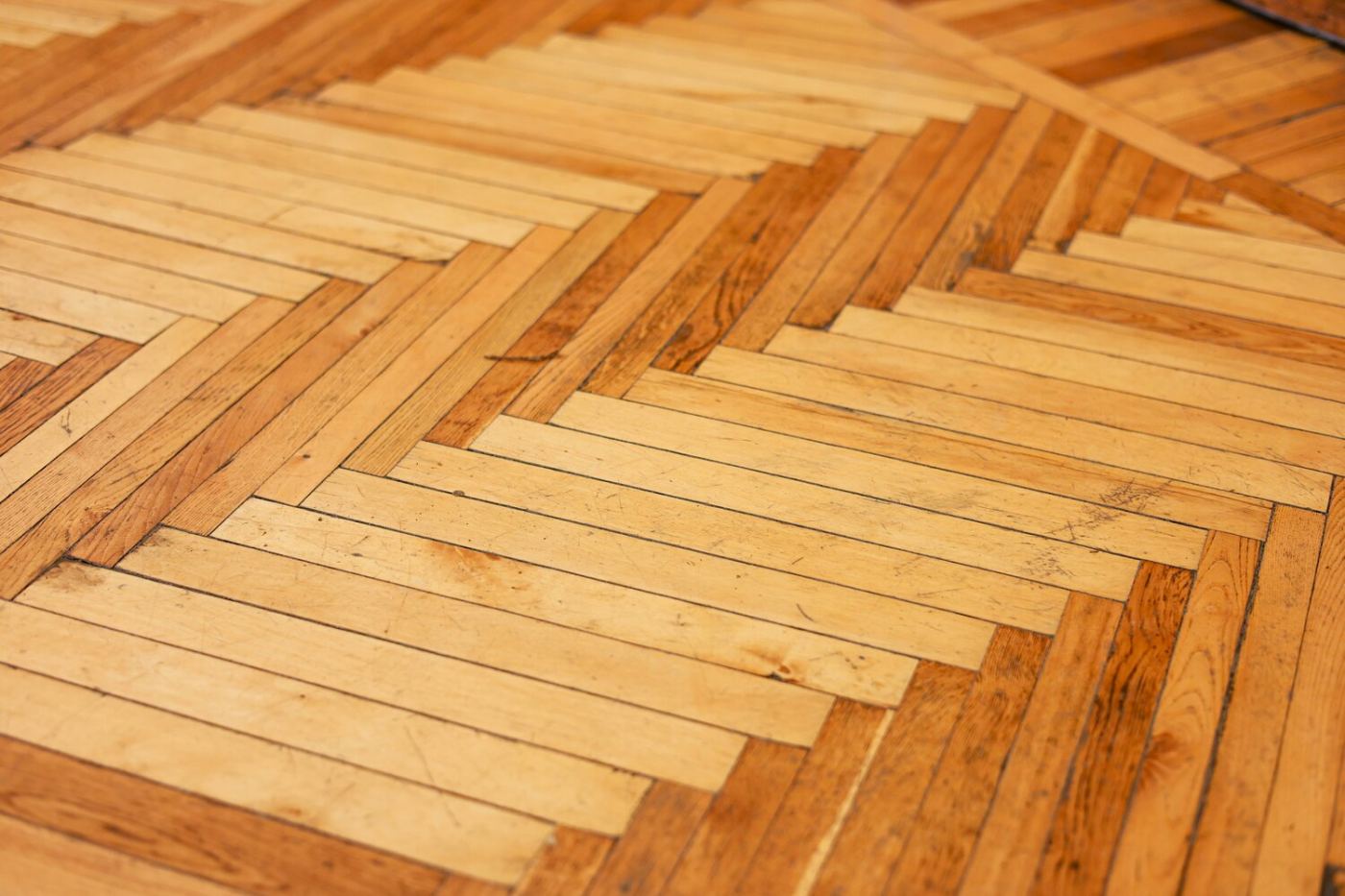
- Timber Flooring (Hardwood and Engineered): Preferred in residential settings for its thermal comfort and natural appeal. It includes solid wood planks or multi-layer systems that can be glued, nailed, or installed as a floating floor.
- Resilient Flooring (Vinyl, Linoleum, and Laminate): These materials are highly popular in commercial and healthcare settings due to their durability, ease of maintenance, and acoustic dampening properties.
- Industrial Flooring: Typically made of high-strength concrete with surface hardeners. It is engineered to withstand heavy mechanical loads, chemical spills, and intense abrasion in factory or warehouse environments.
Symbolism
- Flooring symbolizes the foundation and the tangible baseline of any structure.
- It represents more than just a functional surface; it provides the psychological sense of a "solid ground."
- As the primary interface between the user and the building, it sets the tone for the entire interior design and reflects the quality of the construction.
Interesting acts
- Subfloor Preparation: The installation process must begin with a meticulous check of the subfloor, which must be clean, structurally sound, level, and dry. Excessive residual moisture is the leading cause of failure in timber and resilient floors.
- Adhesives and Grouts: Specialized thin-set mortars and epoxy adhesives are used to secure tiles, while grouting joints are essential to manage the natural expansion and contraction of the materials.
- Surface Finishing: Depending on the material, the final stage may involve sanding, polishing, or applying protective sealants to enhance stain resistance and highlight the texture of the stone or wood.
- Origin
- Used since ancient times for paving roads and buildings
- Category
- Surface finishing technique.
- Function
- Creating durable and resistant surfaces in residential, commercial, and industrial environments
- Presence on Construction Sites
- Essential for creating floors in any type of construction