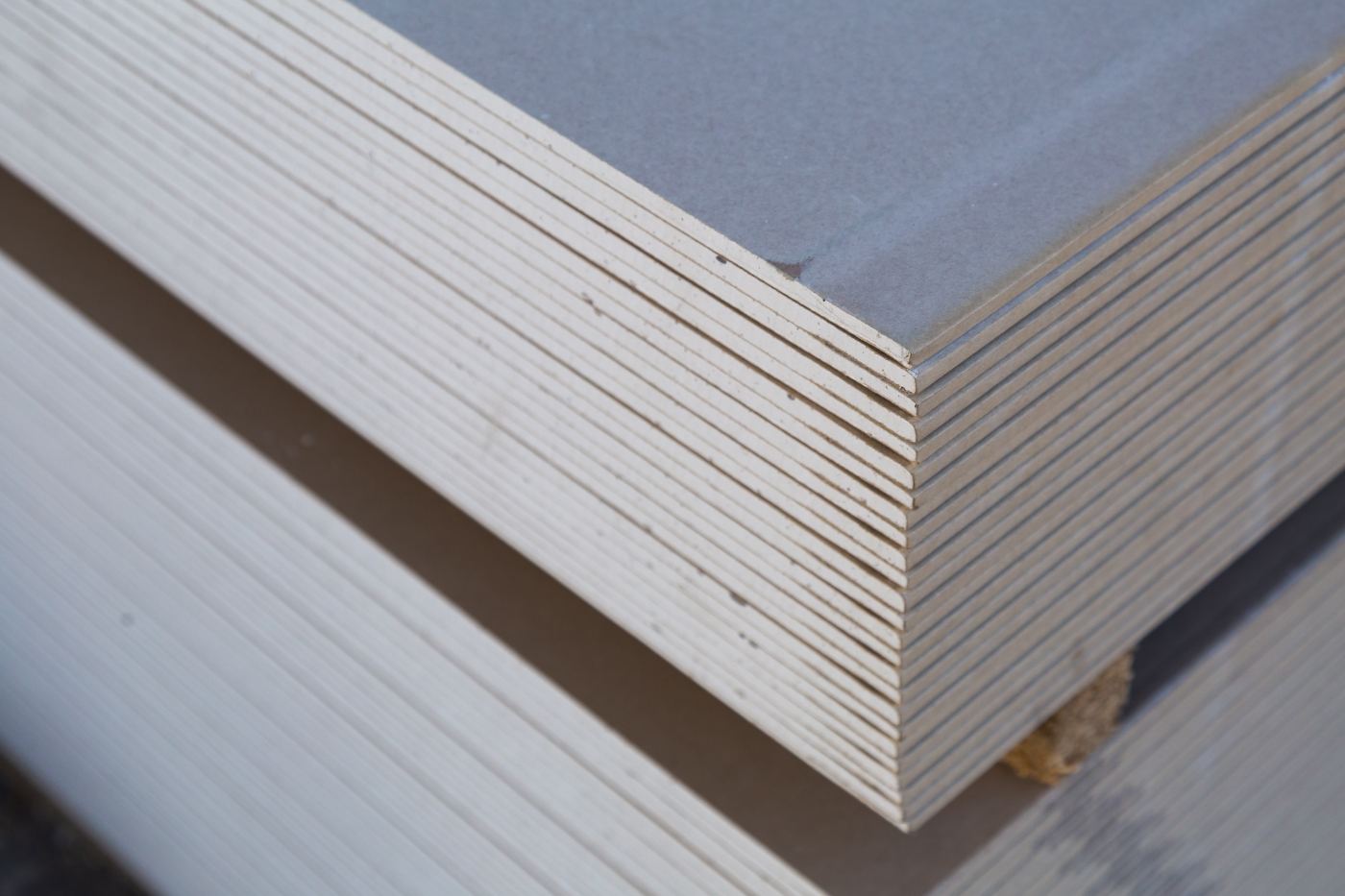
Fiber Cement Panels
Fiber cement is an advanced composite material that combines the compressive strength of a cementitious matrix with the tensile strength of reinforcing fibers. Primarily used for facade cladding and roofing, it represents a versatile solution that ensures high fire performance (Class A1 or A2) and remarkable dimensional stability against thermal fluctuations.
Origins and History
The invention of fiber cement dates back to the late 19th century when the Austrian Ludwig Hatschek patented a production process in 1900 that allowed for the mixing of cement with asbestos fibers. The material, commercially known as Eternit, achieved global success for decades. However, the discovery of the health risks associated with asbestos led to a radical transformation of the industry in the 1980s. Modern technology replaced harmful mineral fibers with synthetic organic fibers (such as polyvinyl alcohol - PVA) or cellulose fibers. This shift marked the birth of "asbestos-free" or ecological fiber cement, a safe and high-performance material that retained the benefits of its predecessor while eliminating health hazards.
Types
In the construction field, fiber cement panels are utilized in several configurations:
- Ventilated Facade Panels: Large-format sheets with thin profiles (8-12 mm), mounted on aluminum or timber sub-frames to promote building breathability.
- Corrugated Sheets: Used for roofing in industrial and agricultural buildings, designed to ensure rainwater drainage and snow load resistance.
- Siding Planks: Strips that mimic the aesthetic of wood but offer the durability of cement, ideal for low-maintenance residential cladding.
- Integrated Panels: High-density solutions treated with acrylic paints or through-colored (pigmented in mass) for textured architectural effects and contemporary brutalist styles.
Symbolism
- Fiber cement symbolizes industrial transformation and redemption. It represents the ability of materials science to evolve and correct its mistakes, moving from a controversial material to a green building standard.
- In architecture, its mineral appearance evokes a sense of solidity and material honesty, acting as a protective "skin" that mediates between the external environment and the structural core.
Interesting Facts
- The Hatschek Machine: Even today, panel production follows the principle of Hatschek’s original machine, which operates similarly to a paper-making machine, layering thin veils of the cementitious mix onto rotating drums.
- Pest Resistance: Unlike wood or certain plastic materials, fiber cement is completely impervious to termites and microorganisms, making it ideal for buildings located in humid or tropical climates.