Foundation Piles
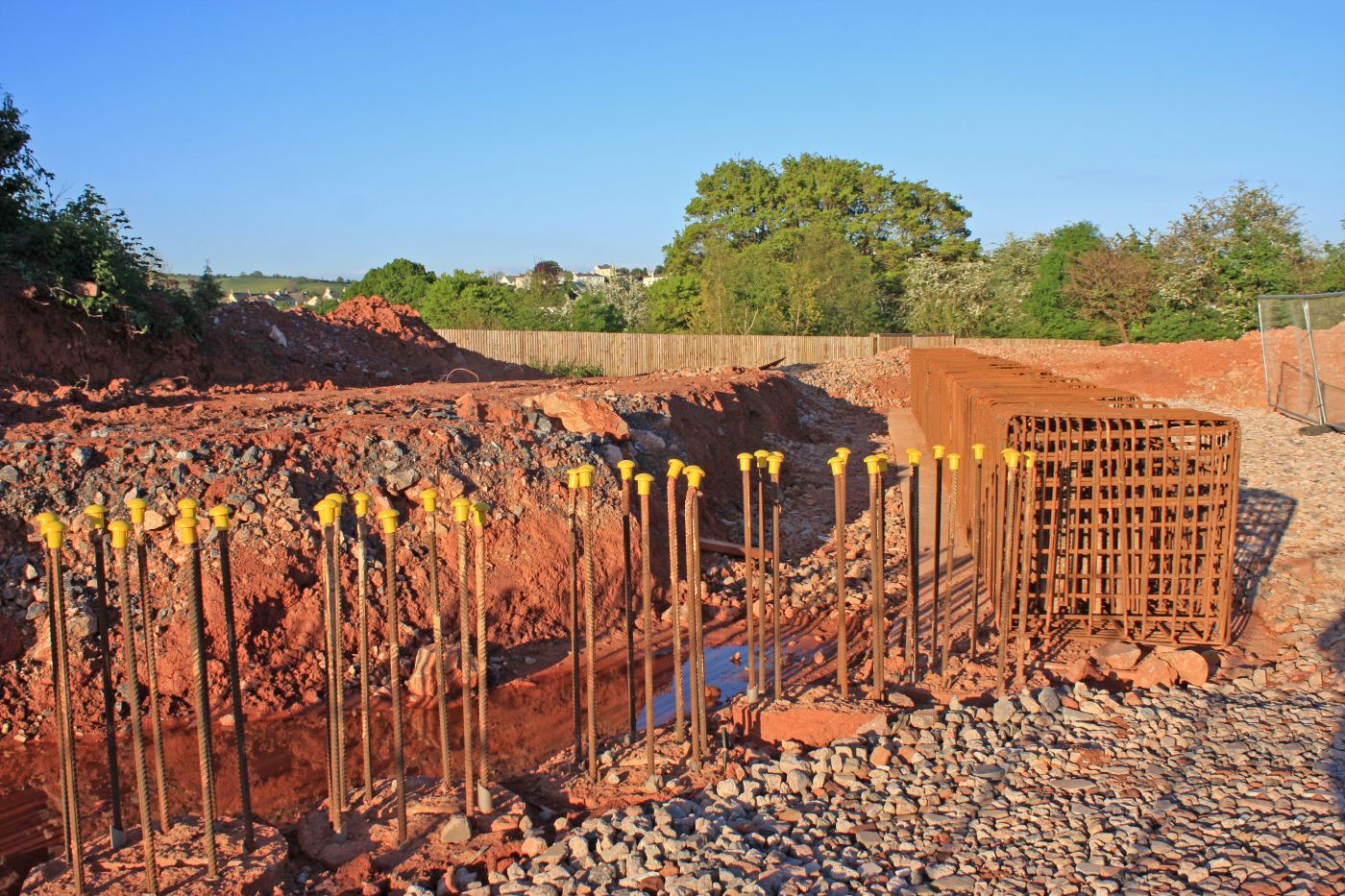
Foundation piles are structural elements with a predominant longitudinal development, designed to transfer stresses from the superstructure to deep soil layers with adequate bearing capacity (end-bearing) or to mobilize resistance along the lateral surface (skin friction). This technical solution is indispensable when the subsurface surface layer exhibits poor geomechanical characteristics or high compressibility, making shallow foundations (pad footings or rafts) unfeasible.
Origin and History
The use of piles has prehistoric roots (stilt houses) and was perfected in Roman times for building infrastructure on marshy grounds. The most iconic historical example is Venice, built on millions of larch and oak piles driven into the "caranto" soil. The modern revolution occurred between the 19th and 20th centuries with the introduction of reinforced concrete piles and mechanized drilling systems. The invention of the "Franki" pile and the "Simplex" pile marked the transition to industrial geotechnics, allowing for the construction of skyscrapers and bridges on sites previously considered unbuildable.
Types
Piles are primarily distinguished based on their interaction mechanism with the soil and their execution method:
- Drilled Shafts (Bored Piles): Executed via rotary drilling. They may require the use of bentonite or polymer slurries to stabilize the borehole walls. Once the design depth is reached, the reinforcement cage is lowered, and concrete is poured using a tremie pipe.
- Driven Piles: Prefabricated elements (pre-stressed concrete, steel, or timber) inserted into the ground without soil removal. The driving process compacts the surrounding soil, enhancing lateral resistance.
- Micropiles: Small-diameter piles (less than 250-300 mm) reinforced with steel tubes, ideal for underpinning, consolidating existing structures, or working in confined spaces.
- Continuous Flight Auger (CFA) Piles: A hybrid between bored and driven piles, where drilling and pouring occur simultaneously during the auger's extraction, minimizing vibrations and soil disturbance.
Symbolism
- The foundation pile symbolizes invisible solidity and resilience.
- It represents the human ability to find support even where the surface appears fragile or unstable.
- It is the emblem of a deep connection with the earth: a technological "root" that ensures the permanence of human works over time, defying the instability of natural elements.
Interesting Facts
- During the testing phase, a pile's capacity is verified through static load tests (using ballast or jacks) or dynamic tests.
- A technical curiosity involves the "negative skin friction" phenomenon: in highly compressible soils, the ground can settle more than the pile, exerting a downward force that reduces the net bearing capacity.
- Furthermore, in modern skyscrapers, piles can exceed 100 meters in depth and are often equipped with fiber optic sensors for real-time structural monitoring (Smart Piles).
- Origin
- Prehistory (timber)/ late 19th century (R.C. and steel)
- Category
- Deep foundation works
- Function
- Load transfer via end-bearing or skin friction
- Presence on Construction Sites
- Large-scale projects, skyscrapers, and bridges