Bricks
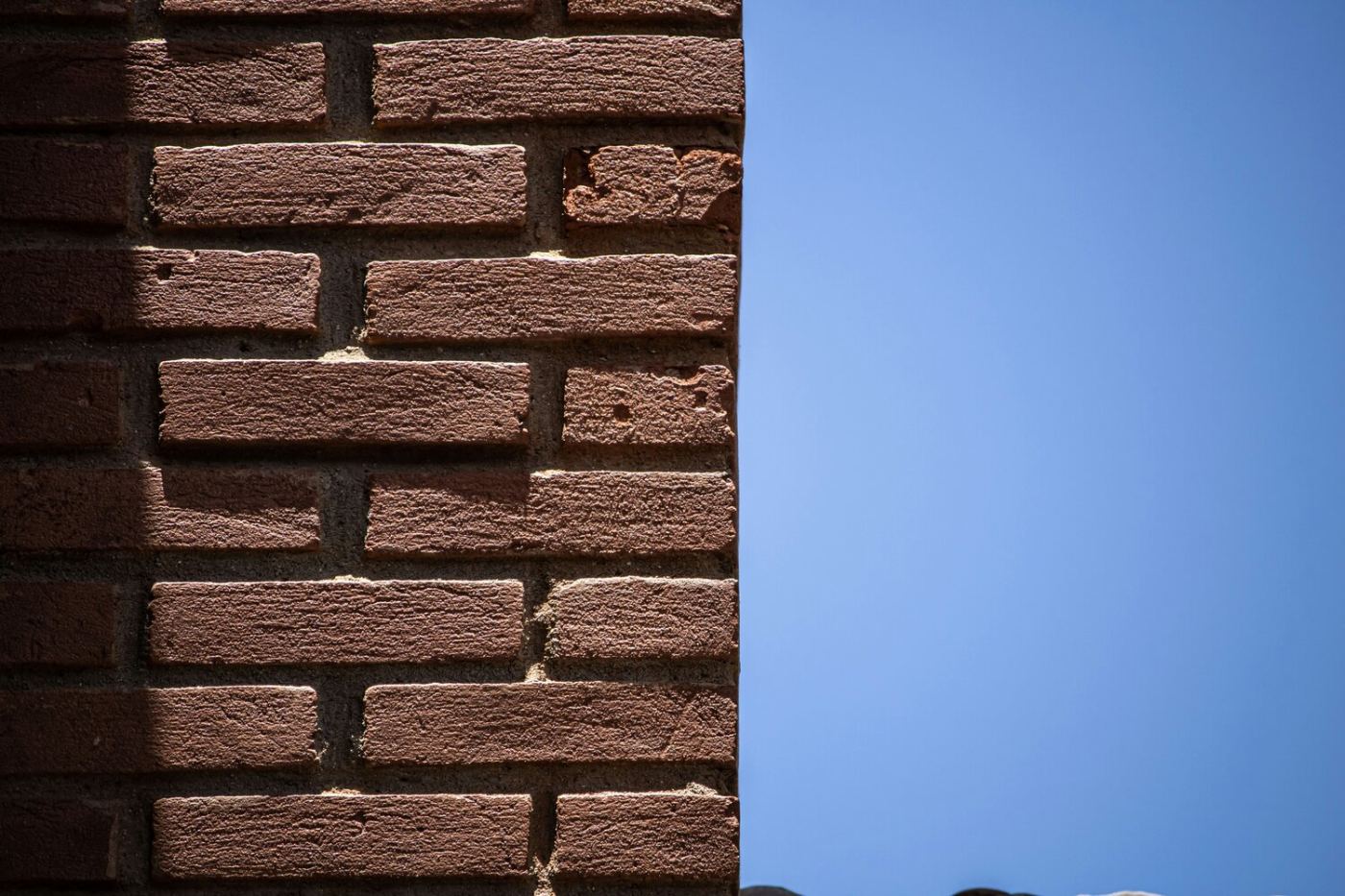
The brick is the quintessential elementary construction unit, technically defined as a parallelepiped-shaped product obtained through the extrusion or pressing of clay mixtures. In engineering, a brick is not merely a static object but a component of a composite construction system (masonry) that, through interaction with cement or lime mortar, ensures compressive strength, thermal inertia, and fire compartmentation.
Origin and History
The origin of the brick dates back to Mesopotamia (sun-dried bricks or adobe), but it was the Roman technological revolution that saw the standardization of kiln-fired bricks, essential for creating arches and vaults. The Roman laterculus laid the groundwork for 19th-century industrialization, which introduced mechanical pressing and continuous kilns (Hoffmann type). Today, the brick has evolved into high-performance blocks with thin webs and micro-perforations that optimize thermal transmittance without the need for additional insulation.
Types
Technical standards classify bricks based on their void percentage (P), a critical parameter for load-bearing capacity:
- Solid Bricks (P < 15%): Used for structures under high mechanical stress, pillars, or load-bearing walls in seismic zones.
- Semi-solid Bricks (15% < P < 45%): Ideal for ordinary load-bearing masonry, offering a balance between strength and self-weight.
- Hollow Bricks (P > 45%): Used for internal partitions and non-load-bearing infill walls, ensuring lightness and speed of installation.
- Facing Bricks (Fair-faced): Produced with selected clays for direct exposure to weathering, characterized by low porosity and high frost resistance.
- Refractory (Firebricks): Composed of alumina and silica, capable of withstanding thermal shocks exceeding 1000°C without volumetric deformation.
Symbolism
- The brick represents the "grammar" of architecture. It symbolizes lasting solidity, the patience of craftsmanship, and the stratification of time.
- It is the symbol of the domestic hearth and protection.
- In the collective imagination, the brick embodies economic and structural security, evoking an unbreakable bond between the earth (clay) and the stability of life.
Interesting Facts
-
The strength of a wall depends not only on the brick but on the masonry bond. Patterns such as the "English bond" or "herringbone" are not merely aesthetic choices but techniques to avoid the coincidence of vertical joints, preventing continuous failure planes.
-
A technical curiosity: the brick is a "living" material with excellent hygrometric regulation capacity, absorbing and releasing ambient humidity, naturally contributing to the healthiness of interior spaces.
- Origin
- Neolithic (sun-dried); Roman Era (standardized fired brick)
- Category
- Building material
- Function
- Creation of load-bearing envelopes, infills, and finishes
- Presence on Construction Sites
- Walls and partitions