Level
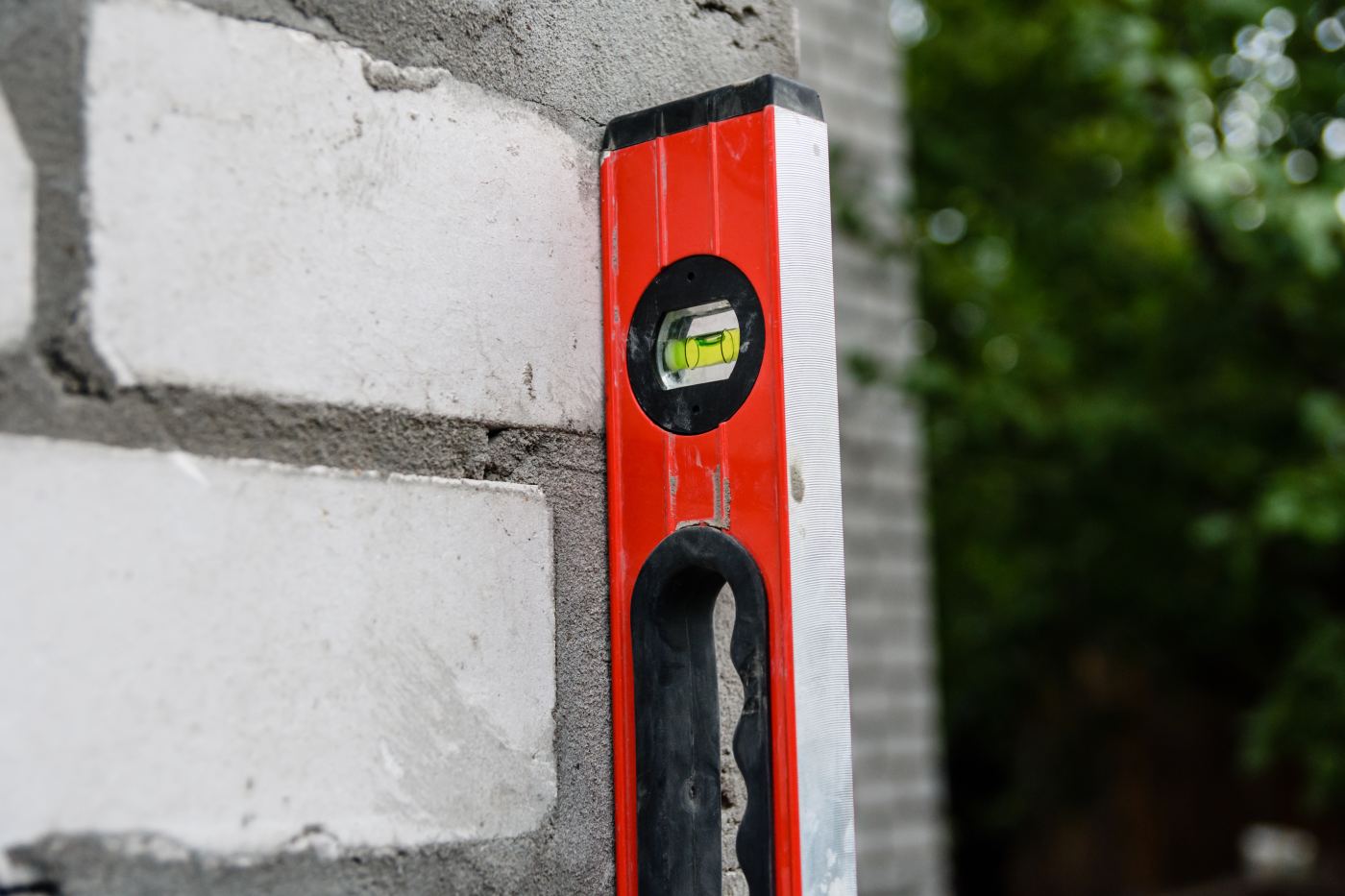
The spirit level is an essential indirect measurement and control instrument in the fields of civil engineering and building construction. It is designed to define the orientation of a plane relative to the direction of gravity, ensuring perfect horizontality (orthogonality to the plumb line) or verticality of structural components. The systematic use of the level is a conditio sine qua non to guarantee mechanical stability and the geometric compliance of the works.
Origin and History
Industrial archaeology and Egyptology testify to the use of rudimentary tools such as the water level (based on the principle of communicating vessels) and the A-frame level (a frame with a central plumb line) as far back as the construction of the Giza pyramids. The crucial evolution occurred in the 17th century with the invention of the glass bubble vial by Melchisédech Thévenot. In the 20th century, the integration of laser diodes and digital inclinometer sensors transformed a purely analog tool into a high-precision optoelectronic device capable of minimizing error margins on large scales.
Types
On the modern job site, instrumentation varies based on the required tolerance and the nature of the survey:
- Spirit Level (Tubular or Circular): Consists of an extruded or die-cast aluminum body. Acrylic vials contain a low-viscosity alcohol or ether mixture. Accuracy is expressed in mm/m (typically 0.5 mm/m for professional models).
- Laser Level (Self-Leveling): Uses a magnetic pendulum or electronic motors to project laser planes (dots, lines, or 360° rotating beams). It is the standard for laying out drywall, suspended ceilings, and flooring over long distances.
- Digital Level (Inclinometer): Integrates an electronic sensor that provides inclination readings in degrees, percentages, or mm/m on an LCD display. Essential for installing disabled access ramps or piping with certified slopes.
Symbolism
- In architecture and operative masonry, the level is the ultimate symbol of balance and equality.
- It represents distributive justice and the moral rectitude of the builder.
- On a technical level, it embodies the "workmanlike manner": the pursuit of geometric perfection that transforms a mass of materials into a structurally coherent and harmonious work.
Interesting Facts
- A technical curiosity lies in calibration: a professional spirit level can be verified simply by rotating it 180° on the same surface; if the bubble does not return to the exact same position, the tool is out of calibration.
- In high-engineering sites, "optical levels" (dumpy levels) are also used, which, coupled with graduated rods (levelling staffs), allow for establishing elevations with millimeter precision over distances exceeding 50 meters.
- Origin
- Ancient, used by the Egyptians for precision measurements
- Category
- Precision tool for angular measurements
- Function
- Verifying horizontality and verticality in construction
- Presence on Construction Sites
- Essential for ensuring precision in installations and constructions