Thermal Insulation
Thermal insulation (or lagging) constitutes the ensemble of systems and construction solutions aimed at minimizing heat flux between two environments with different energy potentials. In architecture and engineering, this practice is the primary strategic asset for achieving energy efficiency standards and mitigating structural thermal bridges.
Origin and History
The need to regulate thermal exchange has ancestral roots: from hypogeum architectures to Neolithic straw and mud coverings, humans have always exploited the thermal inertia of natural materials. However, modern technical insulation was born with the Industrial Revolution, when the need to insulate steam boilers led to the development of man-made mineral fibers. During the 20th century, the advent of polymer chemistry introduced synthetic insulators (EPS, XPS, Polyurethane), revolutionizing the sector. Today, evolution is driven by Green Building and Phase Change Materials (PCM), oriented towards a circular economy and zero carbon impact.
Types
The choice of insulating material is determined by its thermal conductivity value and vapor resistance.
- Mineral Insulators (Stone/Glass Wool): Fibrous structure materials, excellent for passive fire protection (non-combustible) and soundproofing performance.
- Synthetic Insulators (EPS/XPS): Closed-cell polymers with high compressive strength and resistance to water absorption, ideal for underground applications or floor slabs.
- Organic and Natural Insulators: Wood fiber, cork, and cellulose. They offer high thermal inertia (thermal lag), essential for summer comfort.
- High-Performance Systems: Vacuum Insulation Panels (VIP) and aerogels, characterized by minimal thickness and ultra-high thermal performance.
Symbolism
- In a contemporary context, thermal insulation is the symbol of the ecological transition in the built environment.
- It represents the technological "skin" of the building organism: no longer a simple shell, but a dynamic filter between the anthroposphere and the environment.
- It symbolizes the protection of energy resources and the ethical responsibility of the builder toward reducing climate-altering emissions.
Intersting Facts
-
An installation error of just a few millimeters in an External Thermal Insulation Composite System (ETICS) can generate a linear thermal bridge capable of negating 20% of the facade's efficiency
-
Furthermore, insulation does not only serve to "keep the heat in," but to manage vapor pressure to avoid the surface dew point, thus preventing the material degradation of load-bearing structures.
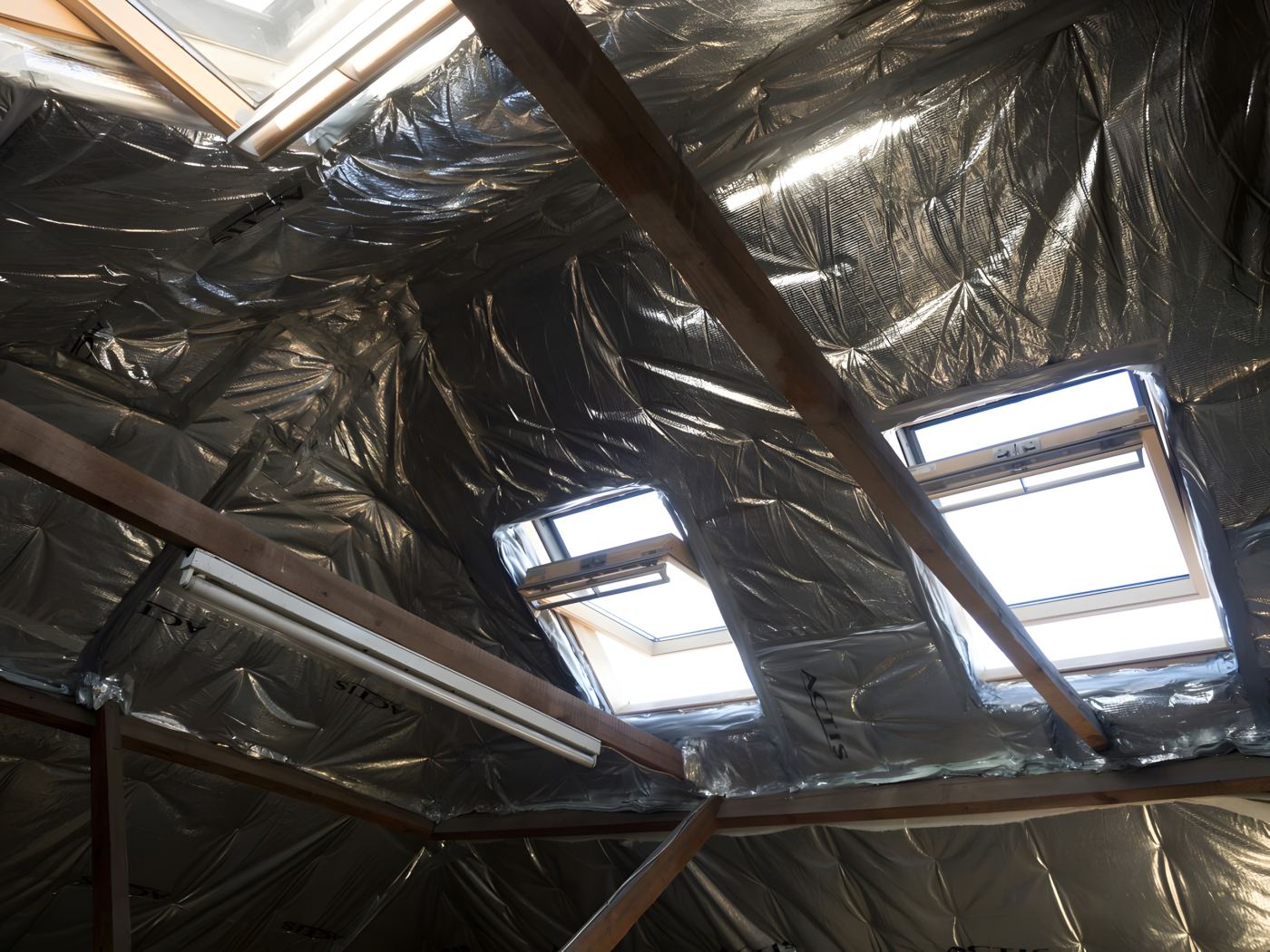
- Origin
- Antiquity (natural methods)/ 19th-20th century (modern industrial insulation)
- Category
- Building envelope and thermal protection systems
- Function
- Heat flux mitigation (U-value), energy saving, hygrothermal comfort
- Presence on Construction Sites
- Ubiquitous (fundamental for compliance with Technical Standards and Energy Certifications