Reinforced Concrete
Reinforced concrete is a construction material made from cement (usually Portland cement), sand, gravel, water, and steel bars. This combination takes advantage of the properties of both materials: cement is highly resistant to compression, while steel is resistant to tension. The steel is inserted into the cement in the form of bars or mesh before the cement hardens, forming a solid and durable structure. This process greatly improves the strength and longevity of constructions, making them suitable for bearing heavy loads and withstanding harsh environmental conditions. Reinforced concrete is widely used in buildings, bridges, dams, and other infrastructure. Its development, starting in the late 19th century, revolutionized civil engineering and architecture, enabling the construction of taller and more robust structures compared to those made with traditional materials.Origin and HistoryReinforced concrete was developed starting in the late 19th century. Before that, constructions were primarily made of stone and brick, materials that were good for compression but not resistant to tension. With the invention of reinforced concrete, which combines cement with steel bars, a revolution occurred in civil engineering, allowing for the construction of taller, stronger structures capable of bearing greater loads. This material paved the way for bridges, skyscrapers, dams, and other large infrastructure projects.TypesThere are various types of reinforced concrete, including prestressed and non-prestressed reinforced concrete. Prestressed concrete involves applying tension to the steel bars before pouring the concrete, further improving load-bearing capacity and reducing deformation. Non-prestressed concrete, on the other hand, does not use pre-applied tension but is still suitable for medium-load constructions.SymbolismReinforced concrete symbolizes strength and modernity. It is the material that enabled the construction of taller, more resilient infrastructure, transforming the landscape of civil engineering and architecture. It represents innovation that has surpassed the limitations of traditional materials.Interesting FactsReinforced concrete is used in a wide range of applications, from skyscrapers to bridges, dams, and roads.Its versatility and strength make it ideal for structures that must withstand harsh environmental conditions, such as heat, cold, and moisture.
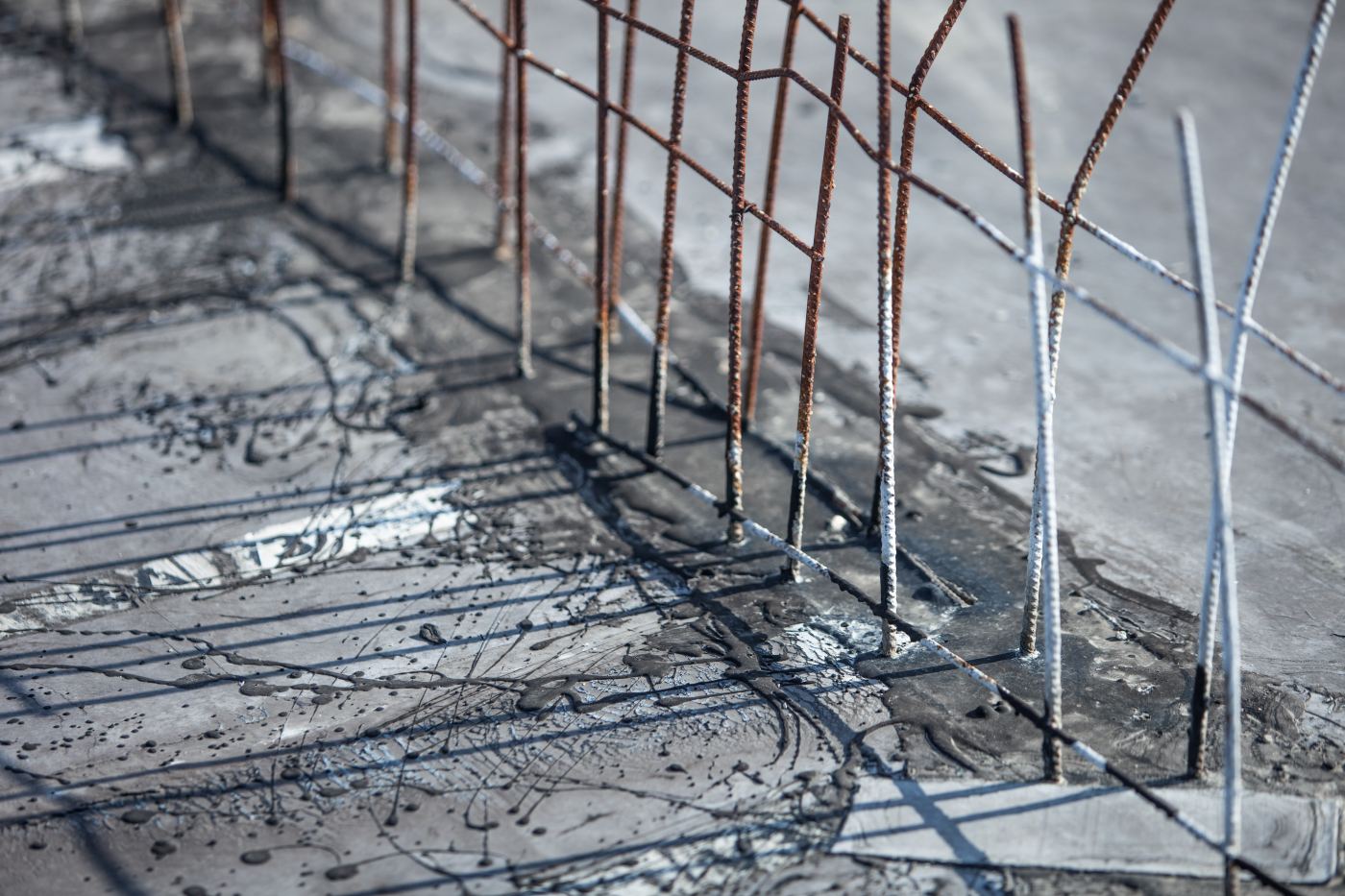
- Origin
- Developed at the end of the 19th century
- Category
- Composite material of cement and steel
- Function
- Creation of strong and durable structures
- Presence on Construction Sites
- Essential for buildings, bridges, dams, and infrastructure