Metal Carpentry
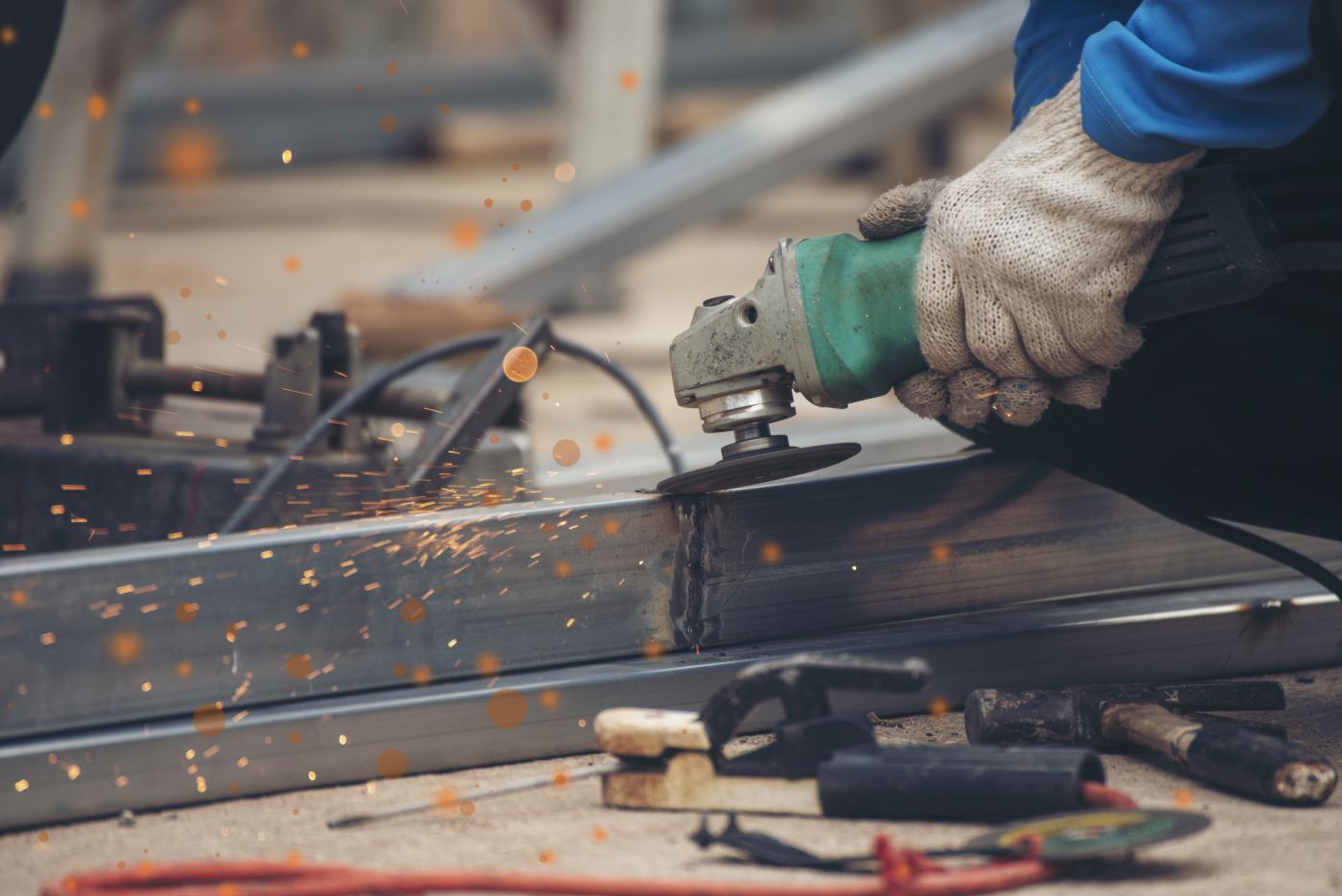
Metal carpentry is a sector of civil engineering and construction that focuses on the design, production, and assembly of metal structures used in the construction of buildings, bridges, towers, and other infrastructure. These structures are primarily made of steel, but can also include other metals such as aluminum.Metal carpentry includes a wide range of structural elements, including beams, columns, pillars, frames, stairs, railings, and roofs. These components are produced in workshops using processes such as cutting, bending, welding, and assembly, and are then transported and assembled on-site.Metal carpentry offers several advantages, such as speed of construction, dimensional accuracy, lightness, and the ability to create complex and architecturally innovative shapes. Additionally, metal structures are highly resistant and durable, capable of withstanding heavy loads and harsh environmental conditions.A key aspect of metal carpentry is the ability to prefabricate most structures in the workshop, reducing on-site assembly time and improving the quality of the work. This process allows for optimized material use and minimizes waste.The design of metal structures requires the use of advanced structural modeling and analysis software to ensure that the work meets all safety and strength requirements. Engineers must consider various factors, such as static and dynamic loads, resistance to corrosion, welded or bolted joints, and construction regulations.The maintenance of metal structures is relatively simple but essential to ensure longevity. Regular inspection and repair can prevent issues such as corrosion or deterioration of joints.Origin and HistoryMetal carpentry emerged in the 19th century with the introduction of steel in construction. This allowed for lighter, stronger, and more durable structures, paving the way for the construction of skyscrapers, bridges, and other large public works. With the evolution of materials and techniques, metal carpentry has improved efficiency and precision in construction.TypesIn the construction industry, metalwork encompasses all metal structures and components used in the construction of buildings and infrastructure. The main types of metalwork in construction are:Structural metalwork: This involves the construction of load-bearing elements such as beams, pillars, floor structures, scaffolding, and other components that are essential for the stability of buildings and infrastructure. These elements are mainly made of steel and designed to support significant loads.Carpentry for facades and roofing: This includes the construction of metal structures for ventilated facades, metal roofs, grilles, and solar shading systems. These structures are particularly used in modern buildings, where metal is combined with other materials such as glass or wood to ensure aesthetics and functionality.Carpentry for systems and supports: This includes the construction of metal structures to support systems, such as scaffolding for machinery, tanks, pipes, and supports for electrical and air conditioning systems. These elements are essential to ensure the stability and safety of complex systems within industrial or commercial buildings.Lightweight structural metalwork: This involves the construction of lighter components such as railings, balconies, stairs, doors, and metal windows. These elements are often used in both residential and commercial settings to ensure safety and accessibility without compromising aesthetics.Decorative metalwork: This refers to the construction of metal elements for decorative use, such as gates, fences, railings, and outdoor artistic structures. These components are often customized to suit the aesthetic design of the building.Security metalwork: This includes the creation of metal structures such as security doors, railings, fences, and protection systems against vandalism or theft. These structures are designed to offer a high level of security without compromising the functionality of the building.SymbolismThe symbolism of metalwork in construction represents strength, resilience, and safety, as metal supports structures, ensuring stability and protection. It is also a symbol of modernity and innovation, thanks to its versatility and ability to adapt to cutting-edge projects. Furthermore, metalwork embodies the idea of durability and safety, protecting buildings and people from the elements and risks.Interesting FactsMetal carpentry has some curious and little-known aspects: For example, metal structures are incredibly versatile and can be easily assembled and disassembled, which is why they are often used for temporary buildings such as trade fairs, events, and mobile bridges. Another surprising fact is that metal structures, while very strong, are also lighter than you might think, allowing tall buildings to be constructed without compromising stability. Finally, metal is one of the most durable materials: if well treated, it can last for centuries, and its recyclability makes it perfect for sustainable construction.
- Origin
- 19th century (use of steel)
- Category
- Metal structures sector
- Function
- Beams, columns, frames, and roofs
- Presence on Construction Sites
- Essential for prefabricated metal structures