Steel
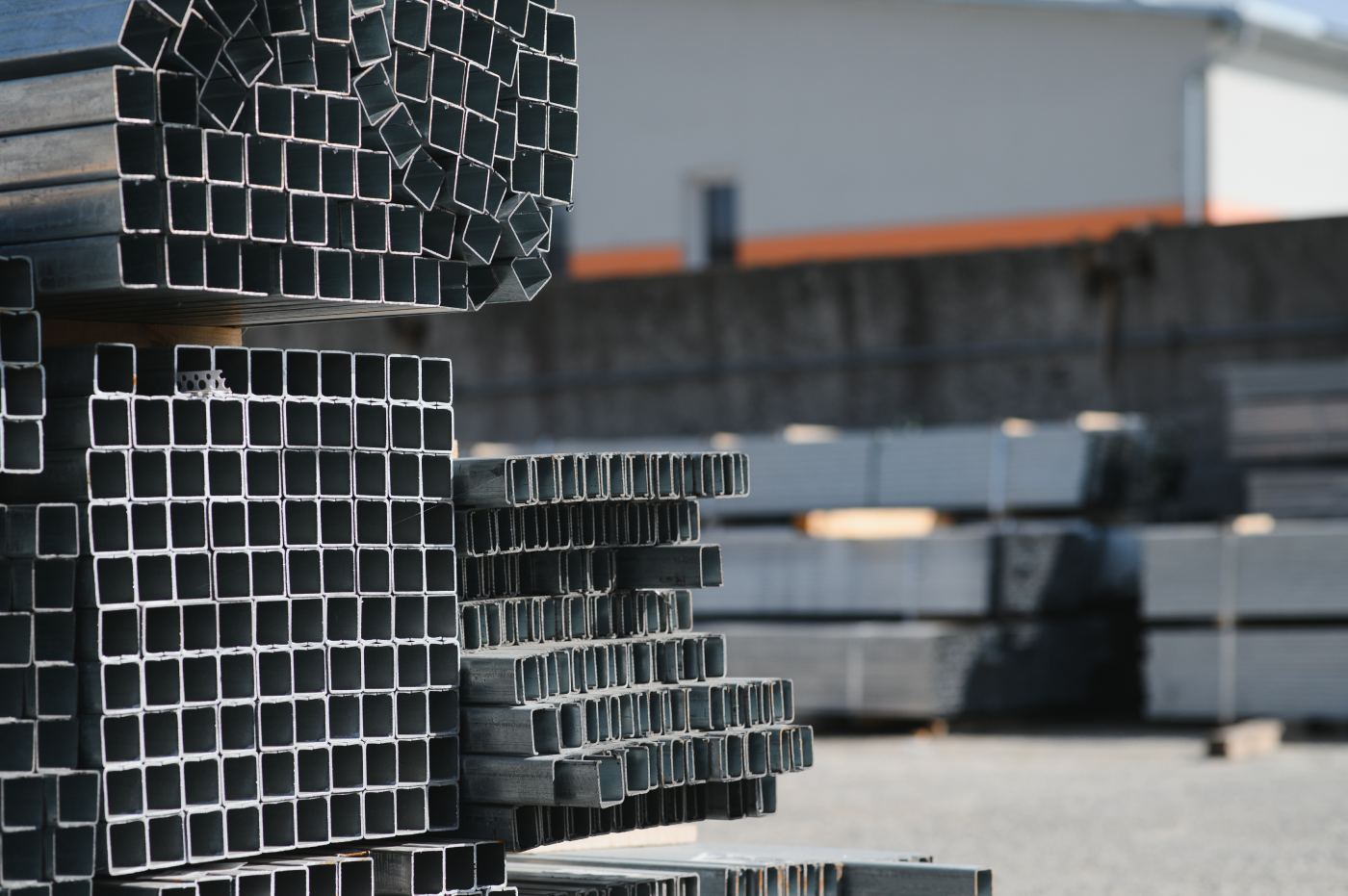
Steel is an alloy of iron and carbon, with a carbon content typically ranging from 0.2% to 2.1%. It is widely used in the construction industry for its high tensile strength, ductility, and durability. Steel’s versatility makes it ideal for a wide range of structural applications, from the load-bearing structures of buildings and bridges to components of civil infrastructure such as roads and railways.Structural steel is commonly used in the form of beams, columns, frames, and reinforcement bars. These elements can be prefabricated and assembled on-site, facilitating rapid and precise construction. Additionally, steel can be recycled without losing its properties, making it an environmentally sustainable choice.Steel processing includes methods like rolling, welding, cutting, and bending, which allow for components to be formed into the desired shapes and sizes. Designing steel structures requires careful planning to ensure the strength, stability, and safety of the construction, taking into account factors such as static and dynamic loads, environmental conditions, and applicable regulations.Steel is also used in combination with other building materials, such as concrete, to create hybrid structural systems like reinforced concrete, which combines the compressive strength of concrete with the tensile strength of steel.Origin and HistorySteel was developed in the 19th century, revolutionizing the construction industry. Its ability to withstand heavy loads and its durability made it the material of choice for modern construction. Today, steel remains one of the most widely used materials in construction worldwide, thanks to its strength, versatility, and sustainability.TypesThere are various types of steel used in construction, including carbon steel, stainless steel, and alloyed steel. Carbon steel: widely used in construction for its strength.Stainless steel: resistant to corrosion and used in environments exposed to chemicals or harsh weather. Alloyed steel: it includes elements such as manganese or chromium and enhances the mechanical properties of steel.SymbolismSteel symbolizes strength, modernity, and innovation. Thanks to its strength and adaptability to various engineering solutions, it represents one of the most important materials in modern construction and engineering.Interesting FactsSteel is fully recyclable without losing its original properties, making it an eco-friendly and sustainable choice. Additionally, steel is often used in combination with other materials, such as concrete, to create hybrid structural systems like reinforced concrete, which utilizes concrete’s compressive strength and steel’s tensile strength.
- Origin
- Developed in the 19th century
- Category
- Iron and carbon alloy
- Function
- Structural elements such as beams, columns, and frames
- Presence on Construction Sites
- Essential for modern and resilient structures